


Instant SEPA Transfers
Money and you
SEPA vs. SWIFT transfers: key differences explained
SEPA (Single Euro Payments Area) is a European payment scheme that enables euro transactions across participating countries, making domestic-style transfers possible across borders. It’s designed for payments in EUR between bank accounts held at a bank in the SEPA zone. It has rules around formats, timelines, and fees, especially for SEPA payments. SWIFT (Society for Worldwide Interbank Financial Telecommunications), by contrast, is a global messaging network used by financial institutions to route payment instructions worldwide. It’s often associated with cross-border wires and correspondent chains, which is why swift payments can involve more intermediaries, variable fees, and less predictable settlement speed.
Business services
What is an instant bank payment? A complete guide for businesses
Do you like the idea of instant transactions, instant payments? If you’ve ever waited a day (or two) for a bank transfer to land, you already know why instant bank payments became such a big deal. Nobody wants to wait to transfer money or listen to “tomorrow morning” or “during regular business hours.” This is where instant bank payments come in. They allow money to move between bank accounts in seconds, giving companies and consumers a faster, safer, and cheaper way to get paid. If the instant payment system is such a big deal, why do many still choose to
Business services
Mass payouts for business: How they work and why use them
Mass payouts have gained popularity as a preferred payment method. This increasing popularity is because payment processing can prove to be problematic for businesses. Sending a large number of payments individually is time-consuming and introduces the risk of human error in the process. It is where the benefits of mass payments can be crucial in financial transactions. These are bulk payments that help companies save time by introducing a more efficient process that fits their needs. We’ll be looking at how to choose mass payment solutions and what you need to know about using them. What are mass payouts? In

Money and you
A complete guide to unified payments interface (UPI)
Unified Payments Interface (UPI) is an instant, real-time payment system used in India. It allows users to move money easily between bank accounts at any time through a mobile application. The UPI app provides a low-cost approach that has revolutionized instant payments here. How does it work, and will it change bank payment processes across the planet? While UPI is currently only available in India, we’ll be looking at how the Genome fintech platform offers secure, compliant alternatives for global business. Read on to get the basics of Unified Payments Interface explained and understand how to use this or an
Business services
Open banking transactions: a guide for merchants using Genome
The payments world is shifting rapidly, and one of the most significant changes is the shift toward open banking. How does it differ compared to traditional banking methods? Open banking refers to the practice of allowing your bank to securely share your financial information or make payments with other authorized financial service providers. If put simply, open banking occurs when third-party apps can directly interact with your bank accounts, rather than you having to log into each bank individually, which is essentially why it is called open. At Genome, we adopted open banking tools to respond to strong demand for
Money and you
What are Faster Payments? A complete guide
The Faster Payments system (sometimes referred to as FPS) is not just a regular payment system, but one of the few UK interbank payment systems that enables payers to make instant payments. Instead of waiting days for transfers, users can send funds instantly, and FPS will process payments the same day. In this guide, we’ll explain what Faster Payments really are, how they work, and how they compare to other systems. What is the Faster Payments Service (FPS)? The Faster Payments service is a United Kingdom-based payment system introduced by the UK Payments Council (now Pay.UK) in 2008. From the
Business services
Local IBANs explained: what are they and why businesses need them
Local IBANs help your business get paid like a local, even when you operate across borders. Instead of relying on one universal account setup, you receive a country-specific account number that customers recognize and trust. For many buyers, paying into a domestic bank account feels faster and more familiar than sending money abroad. This matters when you work with partners, marketplaces, or clients who want simple checkout and clear payment details. Local IBANs also make international payments easier to track and reconcile, because transfers follow standard banking formats used by financial institutions. In short, they reduce friction in cross-border payments
Business services
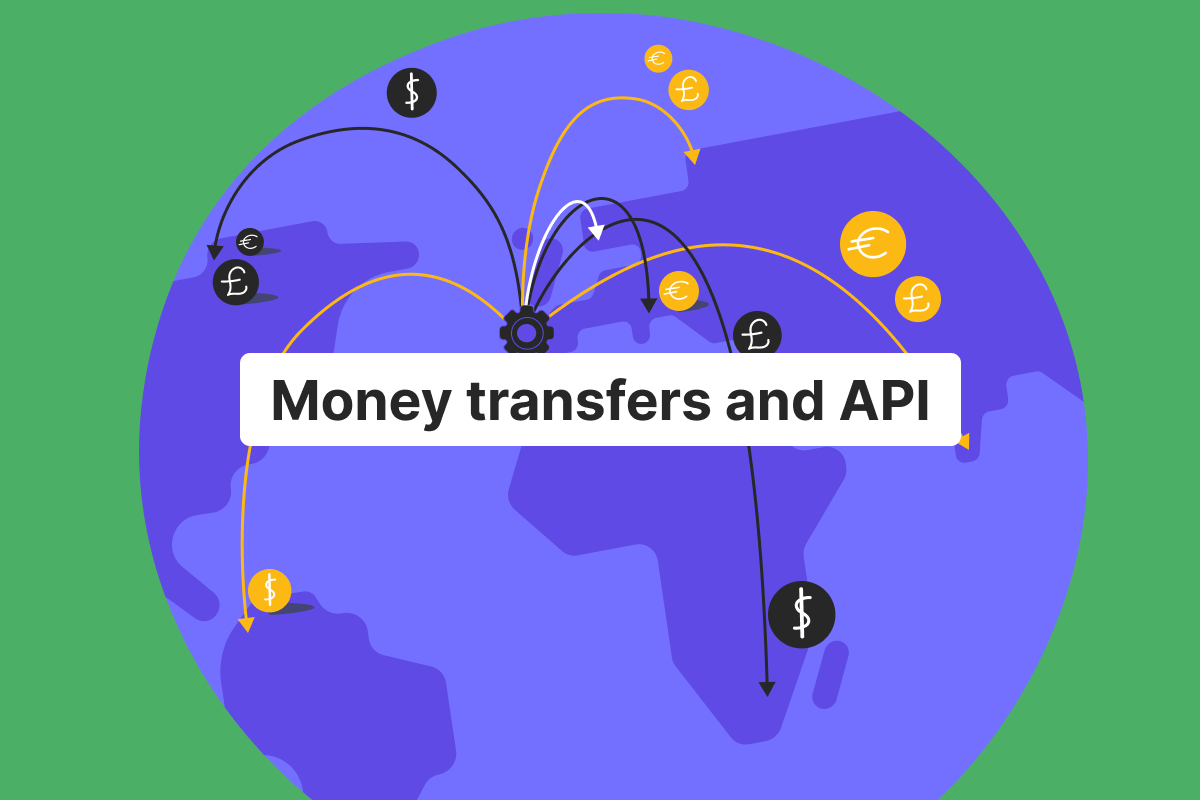
What is a money transfer API? A complete guide
We aim to explain what APIs (application programming interfaces) truly represent and how financial institutions utilize API banking to facilitate money transfers. The reason for that is twofold: first, the growing popularity of using API to send money or utilize other financial services, and second, Genome, as a provider of API-driven payment tools, sometimes faces questions from clients such as “What is banking API,” “Do I need API for a bank account,” and so on. Discover what API banking is and how Genome utilizes APIs for its financial services below. What is an API money transfer? In broad terms, a
Money and you
TARGET2 vs. SEPA: key differences explained
When comparing SEPA and TARGET2, it is essential to begin by explaining that both are integral components of the European payment system. They can both be described as foundational systems that allow the European Central Bank to ensure cross-border payments are smoothly controlled and carried out efficiently. The main difference is that SEPA and TARGET2 (T2) have different use cases. One is widely used for retail payment processing, while the other is best classed as a wholesale payment system. By looking in more detail, we can see how commercial banks can use these methods to meet client demands more effectively.