


Business services
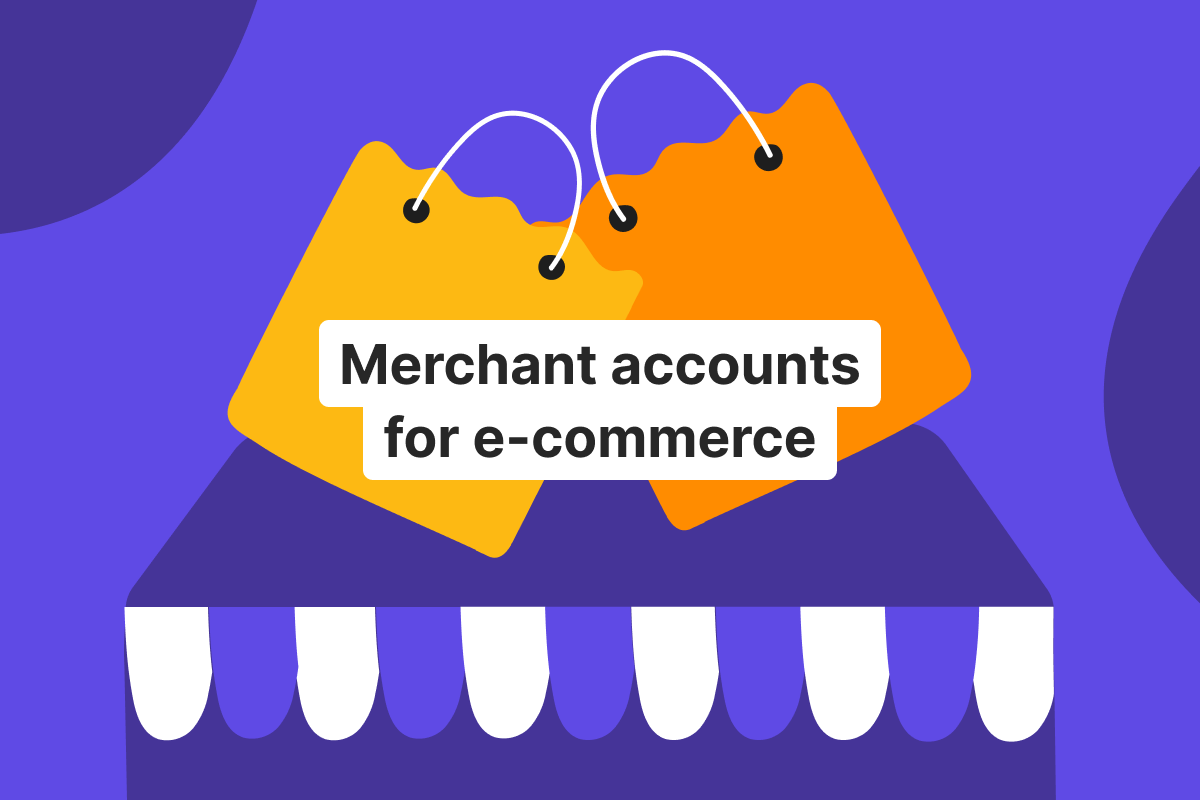
Merchant account for e-commerce: what to set up before your first sale
Launching an online store is an exhilarating milestone. You have sourced your products, refined your branding, and built a sleek storefront that you are proud to show off. But before you launch your marketing campaigns and welcome your very first visitor, there is one critical behind-the-scenes system that deserves your undivided attention: your payment infrastructure. Your checkout needs a reliable way to accept payments. Setting up your merchant account for e-commerce before launch can help prevent payment problems and delays. Knowing how to set up a merchant account also helps you prepare the documents and website details your provider needs.
Business services
Cross-border payment routing: rails, multi-currency accounts, and fee strategy
You’ve probably heard enough bad stories about intermediary bank fees and currency conversion. But how far can it go? Here’s a good example provided by the Bank of Canada. According to the 2026 paper, banks in the Canadian cross-border business payment sample quoted total margins of around 2–3.5%, mostly from currency conversion. Meaning, on a €10,000 payment, a 2% total cost would equal €200. If the payment value is higher and you do dozens or hundreds of transactions, it is even worse. The amount would be unacceptable for many. Can you reduce intermediary bank fees when it comes to cross-border
Business services
Cards vs. Pay by Bank: Which payment methods should your checkout offer?
Getting an online shopper from discovery to your checkout page takes real effort. You have spent time, budget, and creative energy building an intuitive website, marketing your inventory, and earning the visitor’s trust. Yet studies consistently show that nearly 70% of online shopping carts are abandoned before completion. A major culprit behind this friction is a checkout that fails to offer the shopper’s preferred way to pay. Debit and credit cards have long been a familiar way to pay online. Now, alternative payment methods give shoppers more choice. One option is Pay by Bank, which lets customers pay directly from
Business services
Chargebacks: how the dispute process works and what merchants must provide
The chargeback dispute process is an inevitable part of any online merchant’s work. Sometimes people want their money back, a product lacks quality, shipping goes wrong, or fraud occurs – and for a merchant, it is nothing special. What matters is how they get their money back: a refund when a merchant initiates it, or a chargeback when the bank forcibly cancels the purchase and returns the money. Either way, merchants lose sales, but chargebacks cost an extra fee and count against your chargeback rate, which matters a lot in parts. The chargeback dispute process is another topic entirely: any

Business services
Virtual cards for SaaS ad spend: Boost campaign uptime, security, and ROI
What does a marketing campaign look like nowadays? It’s mostly the use of Meta, Google Ads, TikTok, and LinkedIn. Some may say they prefer Kick or influencer marketing. So, why do so many companies prefer to divide their budget for each activity separately using virtual cards? Fewer payment failures, plus stronger security. A sudden billing spike can trigger automated fraud blocks or a suspended Google Ads account. Not a big deal if you have virtual cards for ad spend. Additionally, your operations on the accounting side improve as well – Amazon spending belongs to the Amazon campaign, Google-related spending to
Business services
How to accept card payments on your website: step-by-step for EU merchants
How do you set up your payment infrastructure in Europe today? Is it already a single economic entity, or will it be in the future? Which currencies to use? How strict are the regulations? Our team will explain how it all works and how to accept card payments on your website. There are currently many payment methods across the EU that people use – digital wallets and direct bank transfers are rapidly growing as an alternative to card payments. Card networks Visa and Mastercard are holding nearly half of European payments, and the digital Euro – an EU competitor in
Business services
Payment methods European customers expect at checkout
Selling across Europe can help your e-commerce business reach more customers, but payment preferences vary from country to country. Even within the EU’s single market, shoppers have their own preferred ways to pay. A checkout that works well in Paris may need different payment options to suit customers in Amsterdam, Warsaw, or Stockholm. To successfully scale across borders, digital merchants must look beyond generic payment configurations. Offering the precise payment methods European customers expect at checkout is one of the most effective levers for driving your checkout conversion rate and reducing your cart abandonment rate. The fragmented landscape of European
Business services
Payment webhooks: integrating real-time pay-in notifications
Using payment webhooks can significantly improve your company’s operational flow. Some platforms use API polling – one of the standard payment models that works by asking the payment gateway’s API about the payment status. How do payment webhooks work? Technically, instead of repeatedly asking a payment provider for updates, a merchant’s backend receives an HTTP notification the moment an event occurs. In other words, if API polling is asking for confirmation every 10 seconds, webhooks are like requesting: “Notify me the moment the payment arrives.” This isn’t a perfect analogy, but it gives you a sense of what is going
Business services
SEPA vs. SEPA Instant for business: when to use each payment rail
It is undeniable that SEPA transfers dominate the EU market when it comes to both personal and business payments. And, if you own a company, it is ideal to have both SEPA Instant and SEPA Credit Transfers in your arsenal. However, it is important to note that the SEPA transfer types differ and each has benefits that suit a specific occasion. In this article, we will settle the SEPA vs. SEPA Instant debate and explain which use cases are better suited for each payment method. Introduction: navigating the Eurozone’s payment infrastructure The Single Euro Payments Area (SEPA) is the backbone