


SEPA Transfers
Security
What is Verification of Payee (VoP)? EU Mandate, fraud prevention, and Genome feature
Until the October 2025 SEPA regulation, euro transfers in Europe were routed by IBAN alone. Banks relied solely on the code, with no name checking. SEPA was designed for quick, uninterrupted, and cheap transactions. The problem arises when criminals start to replace a supplier’s IBAN on an invoice – the bank account number is what ultimately determines where the money goes. It could be done in many ways – for example, an email from a business partner announces they changed banks and provides “new bank details,” and of course waits to be paid. This is a so-called authorized push payment
Business services
SEPA vs. SEPA Instant for business: when to use each payment rail
It is undeniable that SEPA transfers dominate the EU market when it comes to both personal and business payments. And, if you own a company, it is ideal to have both SEPA Instant and SEPA Credit Transfers in your arsenal. However, it is important to note that the SEPA transfer types differ and each has benefits that suit a specific occasion. In this article, we will settle the SEPA vs. SEPA Instant debate and explain which use cases are better suited for each payment method. Introduction: navigating the Eurozone’s payment infrastructure The Single Euro Payments Area (SEPA) is the backbone
Business services
SWIFT vs. SEPA Instant for business transfers: costs, speed, coverage
Why is this question pretty constant among clients? The truth is, it is usually caused by different issues people face when making transfers: overpaid fees out of nowhere, a payment that got lost and was found a week later, an intermediate cut in a transaction from a bank you never heard of, or an instant transfer that was not as instant as advertised. These are real-life stories, and understanding SWIFT vs. SEPA Instant for business transfers means understanding where those problems appear and why they can be slightly confusing. Our team wants to give you a closer look at how

Business services
Business account in Europe: how to choose the right corporate account for international transfers
Decades ago, international payments were primarily a concern for large enterprises. In some sense, you could say they were truly international. Today, even a smaller company can have offices in 20 countries, dozens more warehouses, and manufacturing facilities around the world. All of that is an administrative burden, multiple taxes, and far more complexity than there should be. Nowadays, small and mid-sized businesses routinely operate across borders. FXC Intelligence projects SMB cross-border payment volumes will jump 54%, from $13,8 trillion in 2024 to $21,2 trillion in 2032. Yet payment infrastructure doesn’t always keep up with demand. Payment delays, transaction declines,
Business services
Mastering B2B cross-border payments: optimizing SWIFT transfers
Update: Genome has expanded its network! You can now execute SWIFT transfers for business to and from 161 countries and territories. B2B international payments are becoming harder to manage as global trade, supplier relationships, and currency markets keep changing. Tariffs, new regulations, regional payment rules, FX volatility, and shifting supply chains can all affect how quickly and cost-effectively businesses move money internationally. For companies managing international supplier payments, intercompany transfers, and contractor settlements, even small delays or unexpected fees can create operational pressure. It is especially true for high-value cross-border payments using SWIFT transfers, where routing, intermediary banks, and compliance
Money and you
Money transfers in Europe: which option is better?
Imagine a scenario: you’re trying to pay your rent in Berlin or send money to Europe for a birthday gift. While doing it, you see a screen asking if you want to use the “SWIFT” or “SEPA” option. This is where knowing the difference matters, especially if you want to avoid unnecessary fees. Money transfers in Europe can be a complicated subject. Because, despite the EU’s best efforts, the continent is still a patchwork of different “rails.” The Eurozone uses SEPA, the UK relies on its own Faster Payments system, and everything else is often routed through the global SWIFT
Business services
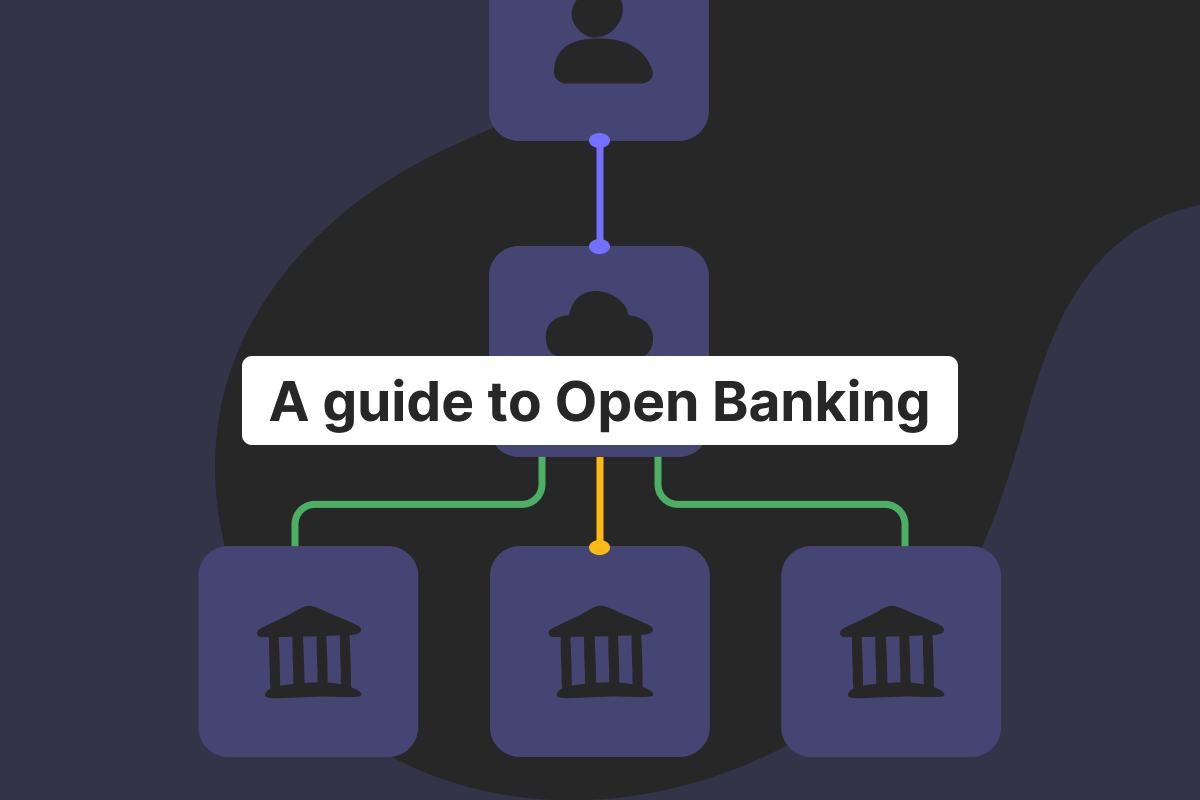
What is an Open Banking payment? Benefits and use cases
An Open Banking payment is a direct bank-to-bank transfer initiated at checkout, where the customer approves the payment inside their own banking app. Instead of entering card details, the buyer is securely redirected to their bank, confirms the amount, and the transfer is sent straight to the merchant. It became popular as more financial institutions started sharing customer-permitted financial data through regulated frameworks. With Open Banking APIs, licensed third-party providers can connect to banks to start payments and confirm them, without exposing sensitive credentials. Key benefits include strong authentication, fewer fraud vectors, and faster confirmation. It can also simplify reconciliation,
Money and you
SEPA vs. SWIFT transfers: key differences explained
SEPA (Single Euro Payments Area) is a European payment scheme that enables euro transactions across participating countries, making domestic-style transfers possible across borders. It’s designed for payments in EUR between bank accounts held at a bank in the SEPA zone. It has rules around formats, timelines, and fees, especially for SEPA payments. SWIFT (Society for Worldwide Interbank Financial Telecommunications), by contrast, is a global messaging network used by financial institutions to route payment instructions worldwide. It’s often associated with cross-border wires and correspondent chains, which is why swift payments can involve more intermediaries, variable fees, and less predictable settlement speed.
Business services
What is an instant bank payment? A complete guide for businesses
Do you like the idea of instant transactions, instant payments? If you’ve ever waited a day (or two) for a bank transfer to land, you already know why instant bank payments became such a big deal. Nobody wants to wait to transfer money or listen to “tomorrow morning” or “during regular business hours.” This is where instant bank payments come in. They allow money to move between bank accounts in seconds, giving companies and consumers a faster, safer, and cheaper way to get paid. If the instant payment system is such a big deal, why do many still choose to